
AI Automation Myths Debunked: What You Really Need to Know

AI automation is transforming industries worldwide. Yet, misconceptions about its role and impact persist. Many believe AI automation is a threat to jobs. In reality, AI automation is a tool for enhancing productivity. It complements human skills, not replaces them. Understanding this is crucial for leveraging its full potential.
AI automation offers numerous benefits. It reduces costs, improves accuracy, and speeds up processes. These advantages are vital for businesses aiming to stay competitive. Despite its benefits, AI automation is often misunderstood. Some think it's only for large corporations. However, small and medium enterprises can also reap its rewards.
Another common myth is that AI automation is infallible. While it enhances accuracy, it still requires human oversight. This ensures optimal performance and error correction.AI and automation are not synonymous. AI involves learning and adaptation, while automation follows set rules. Recognizing this distinction is key to effective implementation.
AI automation is not a one-size-fits-all solution. Customization is often necessary to meet specific business needs. This flexibility is one of its greatest strengths, its clearly increasing. It is a driving force behind digital transformation. Businesses must adapt to harness its full potential.
AI automation is reshaping industries, from marketing to recruiting. Its applications are vast and varied. Understanding these can unlock new opportunities.
This article will debunk common myths about AI automation. It will provide insights into its benefits and applications. Join us as we explore the realities of AI automation.
Introduction to AI Automation
Definition of AI Automation
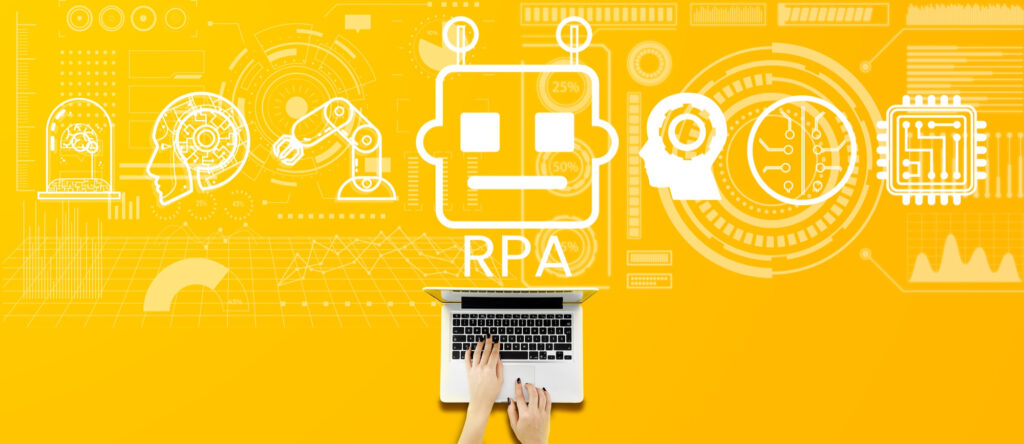
AI automation combines artificial intelligence and automated processes. Together, they perform tasks with minimal human intervention. This technology leverages machine learning and data analytics.
At its core, AI automation aims to mimic human decision-making. It processes information, draws conclusions, and acts accordingly. This reduces the need for manual input in various operations.
AI automation encompasses several key components:
- Machine Learning: Systems learn and adapt from data.
- Natural Language Processing: Computers understand and respond to human language.
- Robotics: Machines perform physical tasks.
These parts help AI for automation do complicated tasks accurately. As it learns more, it gets better at its job, making things work faster and better.
The Importance of AI in Modern Automation
AI plays a crucial role in transforming automation's landscape. Traditional automation relies on predefined instructions. In contrast, AI introduces adaptability and learning capabilities.
AI adds value to automation by enhancing decision-making processes. It analyzes vast datasets swiftly, uncovering patterns and insights. This capacity leads to smarter, data-driven strategies.
The advantages of integrating AI in automation include:
- Increased Efficiency: Processes run faster and more smoothly.
- Improved Accuracy: AI reduces errors through refined analysis.
- Cost Reduction:
When efficiency goes up, operating costs go down.
In today's fast-paced market, leveraging AI is vital. It equips businesses to respond quickly to changing demands. Moreover, AI-driven automation fosters innovation and growth. Organizations that embrace it stay ahead in their respective fields, ensuring sustainable development and competitive advantage.
Common Myths About AI Automation
Myth 1: AI Automation Replaces Human Jobs
A prevalent myth about AI automation is that it replaces human jobs entirely. In reality, AI automation does not substitute human workers; it complements them. This technology handles repetitive and mundane tasks, allowing humans to focus on more strategic roles.
AI automation enhances productivity by taking over routine processes. It creates opportunities for human workers to concentrate on creativity and innovation. These are areas where human intelligence truly shines.
Jobs evolve with AI automation rather than disappear. AI requires supervision, maintenance, and fine-tuning by skilled professionals. Thus, it creates new roles in areas such as:
- Data management
- System optimization
- AI strategy and planning
The fear of job loss should pivot to embracing change. With adequate training and adaptation, professionals can harness AI as a tool that empowers their capabilities. It’s not about job loss; it’s about transforming the workforce for future challenges.
Myth 2: AI Automation is Only for Large Businesses
Many believe AI automation only benefits large corporations. However, this is a misconception. AI automation is scalable and adaptable, making it suitable for businesses of all sizes. Small and medium enterprises (SMEs) can leverage AI to optimize operations and compete effectively.
AI automation offers various cost-effective solutions. These tools cater to the budget constraints of smaller businesses. For example, cloud-based services provide access to advanced AI features without hefty infrastructure investments.
The benefits for smaller businesses include:
- Enhanced efficiency
- Improved customer service
- Data-driven decision-making
These enhancements allow SMEs to thrive in competitive markets.
Using AI changes how businesses operate and encourages new ideas. This creates growth chances that smaller companies once thought they could not reach.
Myth 3: AI Automation is Always Accurate
Another misconception is that AI automation always delivers error-free results. While AI is powerful, it's not infallible. Its performance depends heavily on data quality and system design. Flawed data leads to flawed outcomes, highlighting the necessity for high-quality inputs.
AI systems occasionally require human oversight and adjustments. Humans play a critical role in monitoring and refining AI processes. Ensuring that outcomes align with business objectives requires this human touch.
The accuracy of AI automation depends on several factors:
- Data integrity and quality
- System robustness
- Continuous monitoring and refinement
AI serves as a valuable tool, but it is not perfect.
Businesses need to stay alert and active in keeping their data and AI systems quality high to get the best results.
Myth 4: AI and Automation are the Same
A common myth is that AI and automation are identical. While they can work in tandem, they are distinct concepts. Traditional automation handles tasks based on set instructions. AI, however, involves learning and adaptation.
AI systems learn from data. As they encounter new information, they adjust processes and improve outcomes. Automation, by contrast, typically follows static rules without adaptation. Understanding these distinctions is crucial when implementing technology solutions.
Some distinguishing factors include:
- Learning Capability: AI learns from data; automation does not.
- Adaptability: AI adjusts to new insights; automation maintains fixed procedures.
- Role and Function: AI supports decision-making; automation focuses on execution.
Knowing these differences helps create good plans for how to act. It helps businesses harness each technology's unique strengths to address specific operational needs and objectives.
How AI Enhances Business Process Automation
AI vs Automation: Understanding the Differences
Understanding the differences between AI and automation is crucial for effective business process integration. Automation refers to using technology to execute tasks based on pre-defined rules without human intervention. AI, on the other hand, involves simulating human intelligence and learning from experience to improve performance.
While automation focuses on routine tasks, AI excels in processing complex data and making decisions based on insights. This cognitive ability sets AI apart, allowing it to improve and adapt continually. Businesses need to identify which tasks suit traditional automation and which benefit from AI's adaptive capabilities.
Consider the following distinctions:
- Task Complexity: Automation suits simple tasks; AI handles complex decision-making.
- Flexibility: Automation follows static rules; AI adapts as conditions change.
- Role: Automation streamlines processes; AI enhances strategic decisions.

By leveraging both technologies, businesses can achieve comprehensive process enhancements. AI and automation together offer a balanced approach, marrying efficiency with intelligent decision-making.
AI-Driven Workflow Automation
AI-driven workflow automation transforms how businesses manage operations, allowing for more dynamic and responsive processes. By integrating AI, workflows become more adaptive and efficient, processing data with minimal human intervention.
AI enhances traditional workflows by analyzing patterns and optimizing performance in real-time. This results in a seamless flow of tasks across different departments or systems, ensuring processes run more efficiently. Businesses can achieve higher productivity levels by automating complex decision-making steps within workflows.
Key benefits include:
- Improved Accuracy: AI reduces human error in repetitive tasks.
- Enhanced Efficiency: Streamlined processes speed up operations.
- Scalability: Easily handles increased workload or data.
Organizations adopting AI-driven workflows can manage resources better, respond quicker to market changes, and reduce operational costs. This automation allows businesses to focus on strategic growth initiatives.
The Role of AI in Decision Making
AI plays a pivotal role in enhancing decision-making processes by providing insights derived from vast amounts of data. Traditional decision-making relies on human analysis, which can be time-consuming and biased. AI, however, processes information more rapidly and objectively, offering actionable insights.
AI can identify patterns that humans might overlook, leading to more informed decisions. It assists in predictive analytics, forecasting outcomes based on historical data and trends. This capability helps businesses anticipate challenges and opportunities, ensuring they stay ahead in competitive markets.
The advantages of AI in decision making include:
- Real-Time Analysis: Provides immediate insights and updates.
- Bias Reduction: Minimizes human error and bias.
- Enhanced Predictive Power: Forecasts trends and outcomes accurately.
By incorporating AI into decision-making frameworks, companies can achieve a more agile and proactive strategy. Such integration ensures that decisions are data-driven, precise, and aligned with strategic objectives, enhancing overall business performance.
Tools and Services for AI Automation
Overview of AI Automation Tools
AI automation tools are the backbone of efficient business operations. These tools streamline tasks and processes, making them vital for modern enterprises. They assist in data analysis, decision-making, and workflow management, helping organizations stay competitive.
A variety of AI tools are available, each tailored to specific business needs. Some focus on customer relations, while others enhance financial processes or supply chain logistics. Selecting the right tool depends on business requirements and the level of customization needed.
The benefits of using AI automation tools include:
- Improved Efficiency: Automate repetitive tasks to save time.
- Cost Reduction: Lower operational costs with AI-driven processes.
- Enhanced Accuracy: Minimize errors through automated data handling.
To fully leverage these tools, businesses must integrate them strategically. Proper implementation ensures that AI-enhanced systems deliver maximum value and align with organizational objectives. With the right tools, companies can transform operations and achieve growth.
Exploring Make.com AI Agents
Make.com AI agents offer a unique approach to task automation and integration. These agents streamline processes across various software applications, eliminating manual intervention. They enable businesses to automate workflows and enhance operational efficiency.
The platform provides customizable agents that adapt to specific business needs. They can automate tasks from scheduling to data analysis, providing flexibility and precision. By connecting with a wide range of applications, Make.com agents ensure seamless data flow and task execution.
Key features of Make.com AI agents include:
- Interconnectivity: Easily integrate with diverse applications.
- Scalability: Handle increased tasks without additional resources.
- Customization: Tailor agents to suit unique operational requirements.
Using Make.com AI agents, businesses can minimize errors and enhance productivity. They offer a scalable solution suitable for diverse industries, contributing to sustainable growth and innovation.
Choosing the Right AI Automation Agency
Selecting the right AI automation agency is crucial for successful implementation and scaling of AI solutions. An experienced agency provides insights and expertise to navigate complex AI landscapes. They ensure that AI tools align with business goals and maximize returns.

When evaluating agencies, consider their track record and expertise in your industry. The right agency will offer tailored solutions that address specific operational challenges. They also provide ongoing support and adaptation as business needs evolve.
Here are factors to consider when choosing an AI automation agency:
- Experience: Demonstrated success in relevant AI projects.
- Customization: Ability to offer tailored solutions.
- Support: Ongoing technical and strategic assistance.
Partnering with a reliable AI automation agency can streamline the integration process, enhance efficiency, and deliver a strategic advantage. Proper collaboration ensures that AI deployments are effective, sustainable, and aligned with long-term business objectives.
Benefits of AI Automation in Various Industries
AI Automation in Marketing
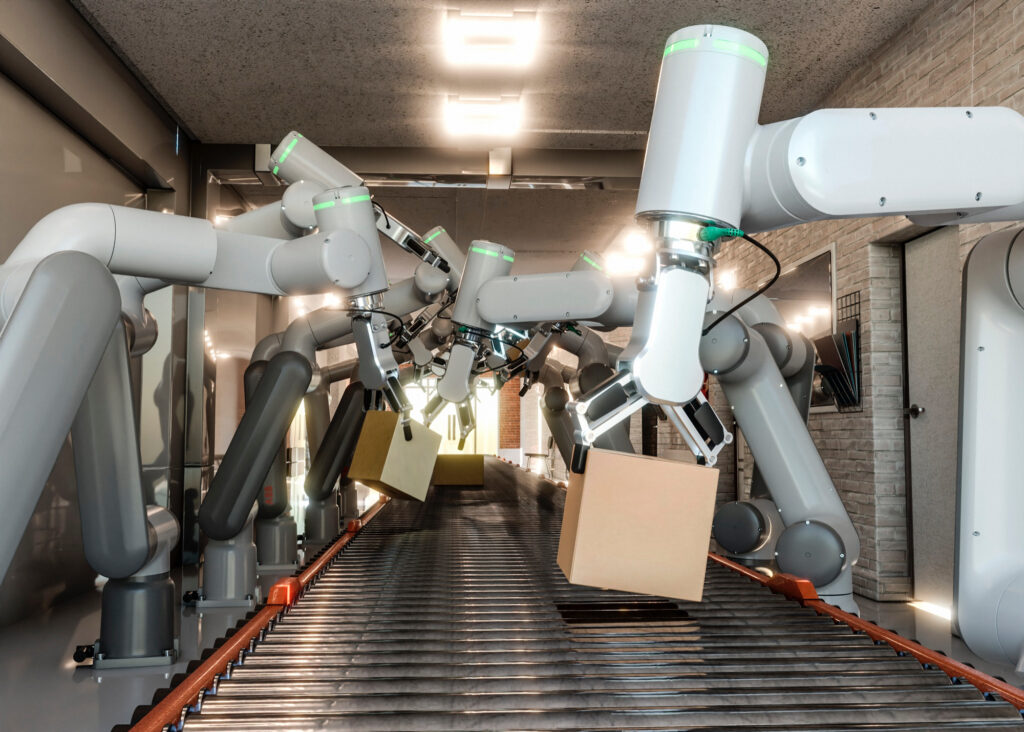
AI automation is transforming marketing strategies by personalizing customer interactions and improving overall effectiveness. Traditional marketing efforts can be time-consuming and often miss the mark in targeting the right audience. AI-driven marketing tools, however, analyze customer data to create tailored campaigns that resonate with individual preferences.
With AI, marketers can automate repetitive tasks like email marketing and social media posting. This automation allows for real-time engagement and more efficient resource allocation. AI tools also track customer behavior, enabling businesses to adjust their strategies on the fly to meet market demands.
Key benefits of AI automation in marketing include:
- Personalization: Tailor messages to individual customer needs.
- Efficiency: Automate campaign scheduling and execution.
- Analytics: Leverage data insights for strategic decisions.
Through AI automation, marketing teams can achieve higher conversion rates, enhance customer satisfaction, and drive brand loyalty. These advancements not only contribute to operational efficiency but also pave the way for innovative marketing practices.
AI for Recruiting Automation
Recruiting is yet another area significantly impacted by AI automation, streamlining the hiring process and enhancing the candidate experience. AI tools help in screening resumes and identifying potential candidates based on predefined criteria. This reduces the time recruiters spend on initial assessments.
AI systems can also conduct preliminary interviews using chatbots, offering a consistent and unbiased evaluation. By assessing candidate behavior and skills through AI-powered platforms, recruiters can gain deeper insights into applicant suitability.
Advantages of AI in recruiting include:
- Speed: Accelerate candidate screening and interview scheduling.
- Objectivity: Reduce bias through standardized assessments.
- Optimization: Match candidates with roles more accurately.
Employing AI in recruiting results in a faster, more efficient hiring process that aligns talent acquisition with business needs. It enhances diversity and inclusion efforts by eliminating unconscious bias, leading to a more balanced workforce.
Understanding What is AI Automation in Depth
To understand how modern technology can change businesses, they need to know what AI automation really is.
AI automations represent the convergence of artificial intelligence capabilities with traditional automation frameworks, creating systems that don't just execute tasks but learn, adapt, and improve over time. What is AI automation beyond the basic definition? It's a sophisticated ecosystem where machine learning algorithms, neural networks, and cognitive computing work together to mimic human decision-making processes.
Unlike regular automation that sticks to strict rules, AI business automation can manage uncertainty. It can find patterns in messy data and make decisions based on changing information.
AI automation has key parts that help it work. These include smart abilities that let systems understand details and meaning. There are self-learning tools that get better on their own. There are also flexible algorithms that change with the needs of the business. Lastly, predictive analysis helps foresee future trends and results.
This comprehensive understanding is essential for organizations looking to implement effective automation strategies.
Comprehensive Guide to AI Automation Services
The landscape of ai automation services has expanded dramatically in recent years, offering businesses unprecedented opportunities to transform their operations. These services range from comprehensive platforms that handle multiple business functions to specialized solutions targeting specific operational challenges. Modern AI automation services usually offer Platform-as-a-Service (PaaS) solutions. These solutions provide the tools needed for full automation. They also supply Software-as-a-Service (SaaS) applications for certain business tasks. Additionally, they offer custom development for special automation needs. They can integrate smoothly with your current systems and provide support for maintenance and improvement.
When evaluating ai automation services, businesses should consider several critical factors including scalability to accommodate growth, integration capabilities with current technology stacks, vendor support and reliability, total cost of ownership, and security features that protect sensitive data. The best automation software solutions offer flexibility to grow with the organization while providing robust security features and ensuring compliance with industry regulations. Leading ai automation services providers offer specialized expertise in different industries. Healthcare organizations benefit from services focused on patient care optimization and medical records management. Manufacturing companies leverage services that enhance production efficiency and quality control. Retail businesses utilize services that personalize customer experiences and optimize inventory management. This industry-specific approach ensures that ai for business automation solutions address the unique challenges and requirements of each sector, making advanced automation accessible to organizations of all sizes.
AI Workflow Automation: Transforming Business Processes
AI workflow automation represents a paradigm shift in how organizations manage their business processes. By implementing intelligent workflows, companies can automate complex, multi-step processes that previously required constant human oversight and intervention. Effective ai workflow automation addresses multiple dimensions including process orchestration that coordinates activities across departments, intelligent routing that directs work to appropriate resources, dynamic prioritization based on business rules and real-time conditions, automated exception handling for unusual situations, and continuous process monitoring and optimization.

Organizations implementing ai workflow automation typically experience significant improvements in operational efficiency. Tasks that once took days or weeks can be completed in hours or minutes. Error rates decrease dramatically as AI systems apply consistent rules and learn from mistakes over time. Employee satisfaction often improves as workers are freed from repetitive tasks to focus on higher-value activities that require human creativity and problem-solving. The key to successful ai workflow automation lies in careful process mapping and analysis before implementation. Organizations must first understand their current workflows, identifying bottlenecks, inefficiencies, and opportunities for improvement.
This analysis informs the design of ai automated workflows that complement human expertise rather than attempting to replace it entirely. The best implementations create symbiotic relationships between human workers and ai automated systems, leveraging the unique strengths of each to achieve optimal results.
AI Process Optimization: Maximizing Operational Excellence
AI process optimization creates self-improving systems that continuously analyze and enhance business processes. This advanced approach leverages machine learning in automation to identify inefficiencies, predict outcomes, and implement improvements without requiring constant human intervention. Through ai process optimization, organizations can identify hidden inefficiencies that escape human observation, predict process outcomes before execution, dynamically allocate resources to maximize utilization, eliminate bottlenecks through intelligent process redesign, and establish continuous improvement cycles that compound benefits over time.
The implementation of ai process optimization often reveals opportunities that traditional analysis methods completely miss. By analyzing vast amounts of operational data, these systems identify subtle patterns and correlations that lead to actionable insights. For example, an ai automated system might discover that certain combinations of conditions lead to process delays, enabling proactive adjustments that prevent problems before they occur. Machine learning in automation plays a crucial role in process optimization success. As systems collect more data about process performance, machine learning algorithms become increasingly accurate in their predictions and recommendations. This creates a virtuous cycle where automation becomes more valuable over time, delivering compounding returns on the initial investment in ai automation services.
Businesses that prioritize ai process optimization achieve significant competitive advantages in their markets, operating more efficiently than competitors relying on traditional methods, responding faster to customer needs and market changes, and adapting more quickly to evolving business conditions.
Automated Decision Making: Speed, Accuracy, and Consistency
Automated decision making powered by AI represents one of the most transformative applications of automation technology. These systems analyze complex situations, weigh multiple factors, and make informed decisions in fractions of the time required for human deliberation. The technology combines advanced analytics, machine learning in automation, and business rules to deliver decisions that are both faster and more consistent than human judgment alone.
Key applications of automated decision making span virtually every industry. Financial services organizations use automated systems for credit approval, risk assessment, and fraud detection. Retail organizations deploy automated decision making for inventory management, dynamic pricing optimization, and personalized product recommendations. Healthcare providers leverage automation for treatment protocol recommendations, resource allocation, and patient triage. Manufacturing companies utilize automated systems for quality control decisions, production scheduling, and predictive maintenance. Logistics firms implement automation for route optimization, delivery scheduling, and warehouse management. The value of automated decision making extends far beyond simple speed improvements.
These systems maintain perfect consistency, applying rules uniformly across thousands or millions of decisions without the variations that inevitably affect human judgment. They operate continuously around the clock without fatigue, distraction, or bias. However, successful implementation requires careful governance frameworks that clearly define which decisions can be fully automated and which require human oversight. Organizations must establish accountability structures ensuring that ai automated systems align with organizational values, ethical standards, and regulatory requirements.
Real-World AI Automation Case Studies
Examining detailed ai automation case studies provides invaluable insights into how different organizations successfully implement these transformative technologies. These real-world examples demonstrate both the challenges companies face and the innovative solutions they develop when deploying ai automated systems across their operations. A leading automotive manufacturer implemented comprehensive ai automation case studies-inspired solutions across their production facilities. They deployed computer vision systems powered by machine learning in automation to perform quality control inspections with microscopic precision. These systems examine every vehicle component, identifying defects that human inspectors might miss. The results were remarkable: defect detection rates improved by 45 percent, production speed increased by 30 percent, customer complaints about quality decreased by 60 percent, and inspection costs were reduced by five million dollars annually.
A major regional bank embraced ai for business automation to modernize their operations and improve customer service. They implemented ai automated fraud detection systems that analyze transaction patterns in real-time, comparing each transaction against sophisticated behavioral models. The system identifies suspicious activity with 96 percent accuracy while reducing false positives by 70 percent. The bank also deployed automated decision making for loan approvals, evaluating creditworthiness using hundreds of data points and delivering approval decisions in minutes rather than days. This implementation increased loan processing capacity by 300 percent while maintaining strict credit quality standards and reducing processing costs by 50 percent. A large hospital network utilized ai in recruiting automation to address critical staffing challenges. The healthcare industry faces chronic shortages of qualified nurses and specialists, making efficient recruiting essential. The ai in recruiting automation system screens applications, assesses qualifications, and schedules interviews automatically. The system reduced time-to-hire by 55 percent while improving candidate quality metrics by 40 percent. It also reduced recruiter workload by 60 percent, allowing human resources staff to focus on candidate engagement and cultural fit assessment rather than administrative tasks. These ai automation case studies share several common success factors. Organizations that achieve the best results start with clear, measurable objectives before implementation. They implement changes gradually rather than attempting massive transformations overnight. They invest heavily in employee training to ensure successful adoption. They continuously monitor performance metrics and adjust systems accordingly.
Most importantly, they view automation not as a replacement for human workers but as a tool that enhances human capabilities and allows employees to focus on higher-value activities that require creativity, empathy, and complex problem-solving.
The Role of Machine Learning in Automation Success
Machine learning in automation serves as the foundation for the most advanced and effective automation systems available today. Unlike traditional automation that follows fixed, predetermined rules, machine learning in automation enables systems to improve continuously based on experience and exposure to new data. This capability transforms automation from a static tool into a dynamic asset that becomes progressively more valuable over time.
Applications of machine learning in automation include predictive maintenance systems that anticipate equipment failures before they occur, demand forecasting models that optimize inventory and production planning with remarkable accuracy, customer behavior analysis systems that personalize marketing and service delivery, anomaly detection systems that identify fraud, security threats, and quality issues in real-time, and natural language processing capabilities that enable conversational interfaces and automated document analysis. The integration of machine learning in automation creates systems that adapt to changing conditions without requiring human reprogramming. For example, an ai automated customer service system learns from every interaction, gradually improving its ability to understand customer intent and provide helpful responses. Over time, these systems handle increasingly complex inquiries independently, reducing the need for human agent involvement while simultaneously improving customer satisfaction scores.
Organizations implementing machine learning in automation must invest substantially in data infrastructure and expertise, as machine learning algorithms require large amounts of high-quality training data to perform effectively.
AI Business Process Automation: Strategic Implementation
AI business process automation represents a comprehensive, strategic approach to transforming organizational operations at every level. By implementing intelligent systems across multiple departments and functions, businesses can achieve unprecedented efficiency gains that ripple throughout the entire organization. This holistic approach includes automating workflows across departments, optimizing processes using advanced analytics, and enabling smarter decision-making throughout the organizational hierarchy. Successful ai business process automation requires careful, methodical planning and execution.
Organizations must begin by mapping existing processes in detail to understand current workflows, bottlenecks, and inefficiencies. They then identify specific automation opportunities where technology can deliver the greatest impact. Next, they select appropriate ai automation services and automation software solutions that align with their specific requirements and existing technology infrastructure. Finally, they train employees comprehensively on new systems to ensure successful adoption and maximize return on investment. The implementation of ai business process automation often reveals opportunities for improvement that traditional analysis methods completely overlook. Advanced analytics can identify inefficiencies hidden deep within complex processes, enabling organizations to redesign workflows from the ground up using ai for business automation principles.
Modern automation software solutions now provide end-to-end ai business process automation capabilities, integrating multiple business functions into cohesive, seamless systems. These comprehensive platforms enable organizations to automate everything from initial customer acquisition through ai in marketing automation to employee onboarding through ai in recruiting automation, creating integrated experiences that benefit customers, employees, and stakeholders throughout the value chain.
Business Intelligence Automation
Business intelligence automation transforms data analysis by providing actionable insights with reduced manual effort. In an era where data is abundant, businesses must leverage it effectively for decision-making. AI-driven business intelligence tools automate data collection, processing, and visualization, empowering decision-makers with timely information.
These tools identify trends and patterns that might be overlooked using traditional methods. By automating repetitive data tasks, businesses can focus on strategic initiatives and innovation. Enhanced data accuracy results in better risk management and forecasting capabilities.

Benefits of business intelligence automation include:
- Insight Generation: Discover hidden patterns in complex datasets.
- Accuracy: Minimize human errors in data handling.
- Speed: Deliver insights in real-time for agile decision-making.
With AI automation, companies can optimize their business strategies and remain adaptive to changing market conditions. This leads to smarter decision-making and a distinct competitive advantage, fostering growth and resilience.
Case Studies on Successful AI Automation Implementation
AI Automation in Small to Medium Enterprises
AI automation is not only beneficial for large corporations; small to medium enterprises (SMEs) can also harness its power. Many SMEs have successfully implemented AI-driven solutions to streamline operations and enhance productivity. AI tools assist in automating repetitive tasks, allowing SMEs to focus on innovation and growth.
For instance, a small retail business used AI automation tools to manage inventory efficiently. Automated systems monitored stock levels and forecasted demand, resulting in reduced waste and higher customer satisfaction. Another SME, operating in the travel industry, leveraged AI chatbots to handle customer inquiries, improving response times and reducing operational costs.
Key successes in SME AI automation include:
- Inventory Management: Automating stock control to reduce waste.
- Customer Engagement: Using chatbots for 24/7 customer support.
- Resource Allocation: Optimizing staffing and resources to boost efficiency.
These examples demonstrate how AI automation transforms SMEs by improving operational efficiency and enhancing customer experiences. SMEs gain competitive advantages by leveraging AI to scale and adapt to changing business environments.
Impact of AI Process Automation in Different Sectors
AI process automation significantly impacts various sectors, from healthcare to finance. In healthcare, AI automates administrative tasks, enabling medical professionals to focus more on patient care. For example, AI-driven systems streamline patient appointment scheduling and manage electronic health records efficiently.
In the finance sector, AI tools help analyze vast datasets quickly, improving risk assessment and decision-making. Automated systems detect fraudulent activities in real-time, safeguarding assets and ensuring compliance with regulations. In manufacturing, AI automates quality control processes, increasing product consistency and reducing defects.
Some key impacts across sectors include:
- Healthcare: Enhancing patient care through streamlined processes.
- Finance: Improving risk management and fraud detection.
- Manufacturing: Ensuring product quality and reducing errors.
These examples illustrate AI's transformative role across industries. Process automation not only enhances efficiency but also leads to innovation and improved service delivery. By implementing AI automation, businesses stay competitive and agile in rapidly evolving markets.
Future Trends in AI Automation
Cloud-Based Automation Solutions
The rise of cloud-based automation solutions is revolutionizing the way businesses leverage AI. Cloud platforms offer scalability and flexibility, allowing companies to deploy AI automation without substantial upfront investments in infrastructure. Businesses can scale their operations up or down, tailoring solutions to meet specific needs.
One advantage of cloud-based systems is their ability to integrate with existing technologies. These systems provide seamless connectivity and data flow across applications, resulting in streamlined processes and improved efficiency. Additionally, cloud solutions offer businesses access to the latest AI tools and updates, ensuring cutting-edge performance.
Key benefits of cloud-based automation include:
- Scalability: Grow or reduce capabilities as needed.
- Integration: Connect with existing systems effortlessly.
- Access: Use the latest AI innovations instantly.

By adopting cloud-based AI automation, companies enhance their agility and maintain competitiveness in dynamic markets. This trend represents a significant step towards more accessible and flexible AI solutions.
Advancements in Machine Learning for Automation
Machine learning is a driving force behind the evolution of AI automation.
Recent progress in machine learning helps systems look at big sets of data better. This gives helpful information for making smart choices.
Machine learning algorithms adapt and improve over time, increasing the accuracy and reliability of automated tasks.
Innovations in neural networks and deep learning are pushing machine learning capabilities to new heights. These developments allow for more sophisticated pattern recognition and prediction, which is critical for complex process automation. Machine learning tools also enhance personalized customer interactions, helping businesses tailor their services to individual needs.
Significant advancements in machine learning include:
- Improved Algorithms: Enhance accuracy and efficiency.
- Deep Learning: Enable complex pattern recognition.
- Personalization: Customize services for better user experiences.
These advancements are crucial as businesses seek to optimize and innovate in their automation strategies. By leveraging machine learning, companies achieve higher operational performance and uncover new growth opportunities in various sectors.
Conclusion
Recap of Myths and Realities
Throughout this article, we have tackled common myths surrounding AI automation. Many misconceptions suggest that AI automation replaces jobs or only benefits large corporations. However, as discussed, AI enhances productivity without necessarily reducing employment. It provides smaller businesses with opportunities to optimize processes and grow efficiently.
A key takeaway is recognizing the differences between AI and simple automation. AI incorporates learning and adaptation, unlike traditional task-oriented automation. Furthermore, while AI systems increase accuracy, they still require careful implementation and management.
In summary, busting these myths reveals that:
- AI improves rather than replaces human roles.
- Both small and large firms benefit from AI solutions.
- AI and automation, though related, have distinct functions.
By understanding these realities, businesses can harness AI’s true potential, aligning it with their objectives for maximum impact.
Final Thoughts on Embracing AI Automation
As we move into the future, AI automation stands poised to transform how industries operate. To fully embrace AI, organizations need a strategic approach. This involves evaluating their specific needs and choosing suitable AI tools that enhance overall efficiency.
Successful AI integration requires commitment and adaptation. It’s essential to stay informed about ongoing advancements, ensuring that AI solutions remain relevant and effective. Additionally, ethical considerations such as data privacy and algorithmic bias should guide implementation strategies.
Embracing AI automation is not just a technological upgrade; it’s a mindset shift. It invites new possibilities for growth and innovation.
By using AI carefully, businesses can make their processes better and gain an edge over their competitors in a changing market.
How would you rate this content?